
How We Think About Solar Education
We believe people make better decisions when they understand the subject. Not when they're told what to do.

Information without agenda
We don't sell solar panels. We don't receive referral fees from installers. This program exists for one reason: the solar market can be confusing, and people deserve a place to learn without being sold to at the same time.
That independence shapes everything about how the material is written. When a technology has real limitations, we say so. When an incentive scheme has conditions that matter, we explain them. When a question is genuinely complicated, we don't pretend it isn't.
The goal is to make you a more capable participant in a conversation that will significantly affect your home or business. That requires honesty, not optimism.
What guides the curriculum
Balanced Presentation
Solar is a genuinely useful technology for many situations and genuinely unsuitable for others. We present both. A roof with significant shading, a very low consumption household, or a building scheduled for renovation soon might not benefit from installation right now. We help you see your situation clearly.
Plain Language First
Technical terminology exists for precision, not exclusion. We introduce the correct terms but always alongside a plain-language explanation. By the end of the program, you'll be comfortable with the vocabulary because you'll understand what the words actually refer to.
Context Before Conclusion
We resist telling you what to conclude. Instead, we build context. You learn how net-billing works so you can judge whether the numbers in a quote are realistic. You learn what affects panel degradation so you can evaluate a warranty. Context makes conclusions your own.
Updated Regularly
Solar technology, installation costs, and Polish energy regulations change. The curriculum is reviewed and updated to reflect current conditions rather than preserving outdated assumptions. Dates on all modules indicate when content was last verified.
We don't simplify what shouldn't be simplified
Some aspects of solar installation genuinely require nuance. The economics of a system depend on your specific consumption profile, roof characteristics, local grid pricing, and the terms offered by a particular installer. We can't collapse that into a single number and call it honest.
What we can do is give you the tools to work through it yourself. Worksheets, question lists, and worked examples let you apply the concepts to your own situation. The program is a framework, not a formula.
Self-Paced Learning
Work through the material on your own schedule. Revisit sections before meeting with installers. There's no deadline and no exam.
Downloadable Resources
Question checklists, glossary, and evaluation worksheets accompany each module and are yours to keep.
Why this kind of education matters
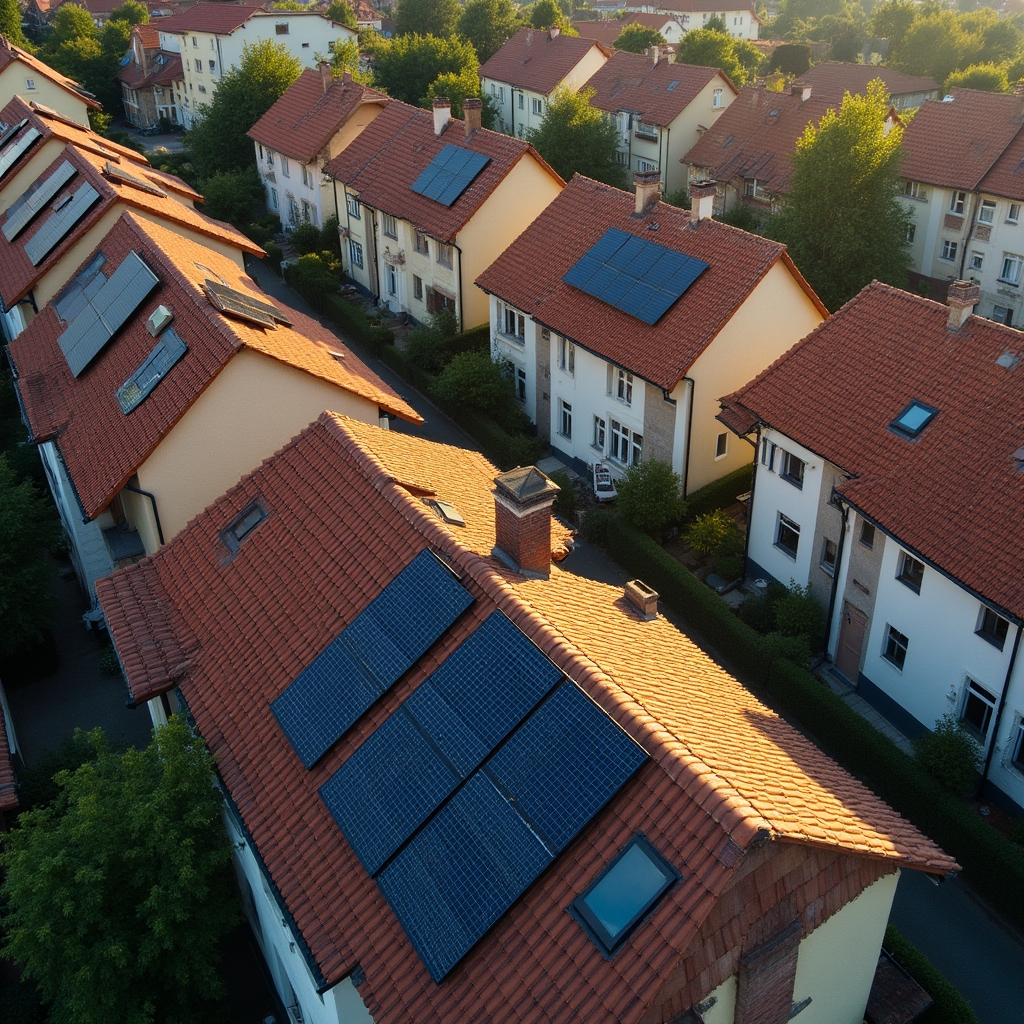
The market is growing fast
Poland has seen significant growth in small-scale solar installations. More installers, more products, and more variation in quality means buyers need to be more discerning, not less. The training reflects that reality.
Informed buyers improve the market
When buyers ask good questions, installers compete on quality rather than just price and persuasion. An educated customer base raises the standard for everyone. This program contributes to that in a small but concrete way.
See the program in detail
Explore what each module covers and how to work through the material at your own pace.